Training your dog is a crucial part of responsible pet ownership. A well-trained dog is not only a joy to live with but also safer and happier. Whether you have a new puppy or an older dog needing some behavior adjustments, these essential dog training tips will help you achieve a well-behaved companion.
Understanding Dog Training Principles
Dog training is built on the principles of consistency, patience, and positive reinforcement. Dogs respond best to clear communication and rewards for good behavior. Here’s a breakdown of these fundamental principles:
- Consistency: Use the same commands and rules consistently to avoid confusing your dog.
- Patience: Training takes time and repetition. Be patient and don’t expect overnight results.
- Positive Reinforcement: Reward your dog with treats, praise, or playtime when they display desired behaviors.
Basic Commands Every Dog Should Know
Teaching your dog basic commands is the foundation of good behavior. Here are the essential commands and how to teach them:
- Sit:
- How to Teach: Hold a treat close to your dog’s nose and move your hand up, allowing their head to follow the treat and causing their bottom to lower. Once they’re in a sitting position, say “sit,” give them the treat, and offer praise.
- Recommendation: Use small, tasty treats like Zuke’s Mini Naturals for training sessions.
- Stay:
- How to Teach: Ask your dog to sit. Open your palm in front of you and say “stay.” Take a few steps back. If they stay, reward them with a treat and praise. Gradually increase the distance and duration.
- Recommendation: Practice in a distraction-free environment initially, then gradually introduce distractions.
- Come:
- How to Teach: Put a leash on your dog and go to a quiet area. Crouch down, open your arms, and say “come” enthusiastically. Reward your dog with a treat and praise when they come to you.
- Recommendation: A long training leash like the PetSafe Recall Training Leash can be very helpful.
- Down:
- How to Teach: Hold a treat in your closed hand. Let your dog sniff it, then move your hand to the floor. Your dog will follow, and when they lay down, say “down” and reward them.
- Recommendation: Practice this command when your dog is calm and focused.
Addressing Common Behavioral Issues
Every dog can develop behavioral issues, but with proper training, these can be managed or corrected. Here’s how to address some common problems:
- Jumping Up:
- Solution: Ignore your dog when they jump up and only give them attention when all four paws are on the ground. Consistency is key.
- Tip: Teach an alternative behavior like “sit” when greeting people.
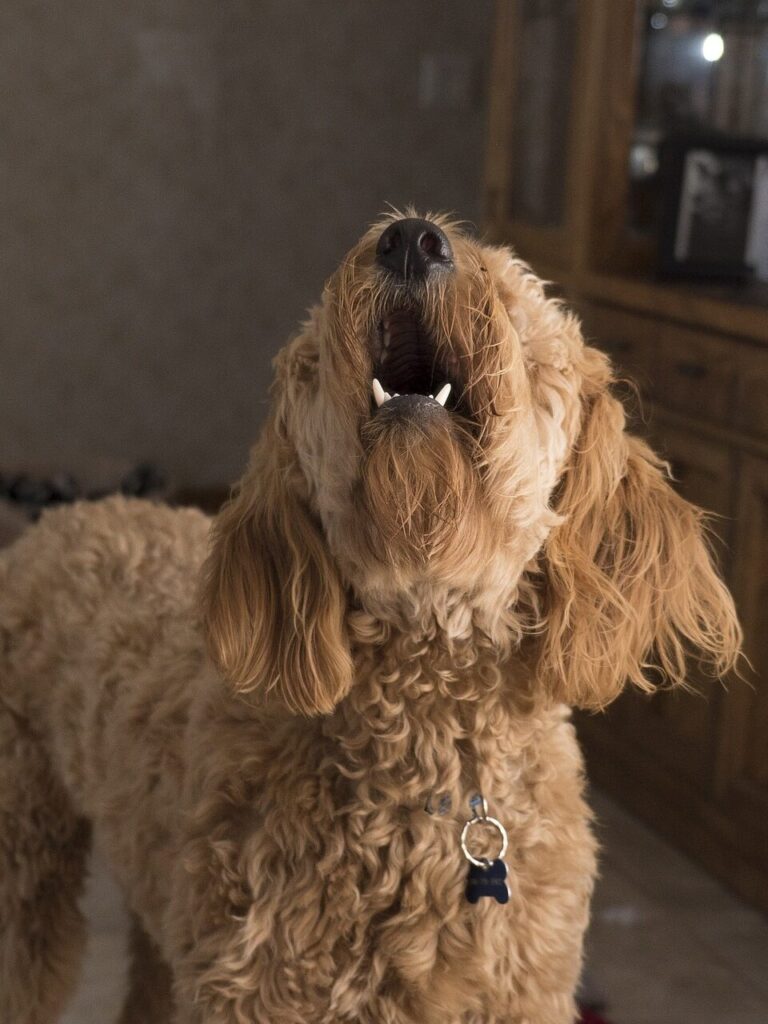
- Barking:
- Solution: Determine the cause of the barking (boredom, fear, attention-seeking) and address it. Teach the “quiet” command by rewarding your dog when they stop barking on cue.
- Tip: Provide plenty of mental and physical stimulation to reduce boredom.
- Leash Pulling:
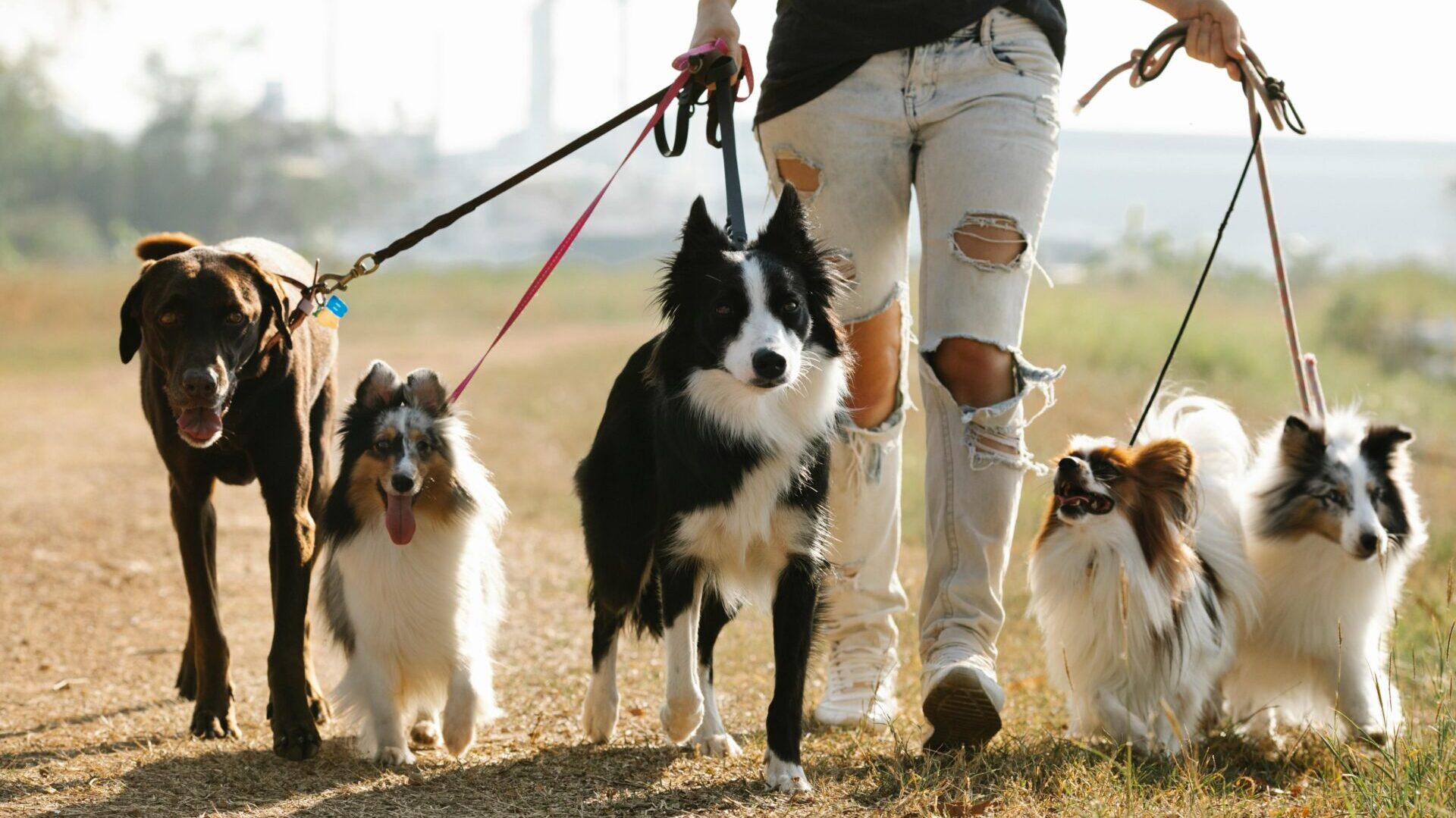
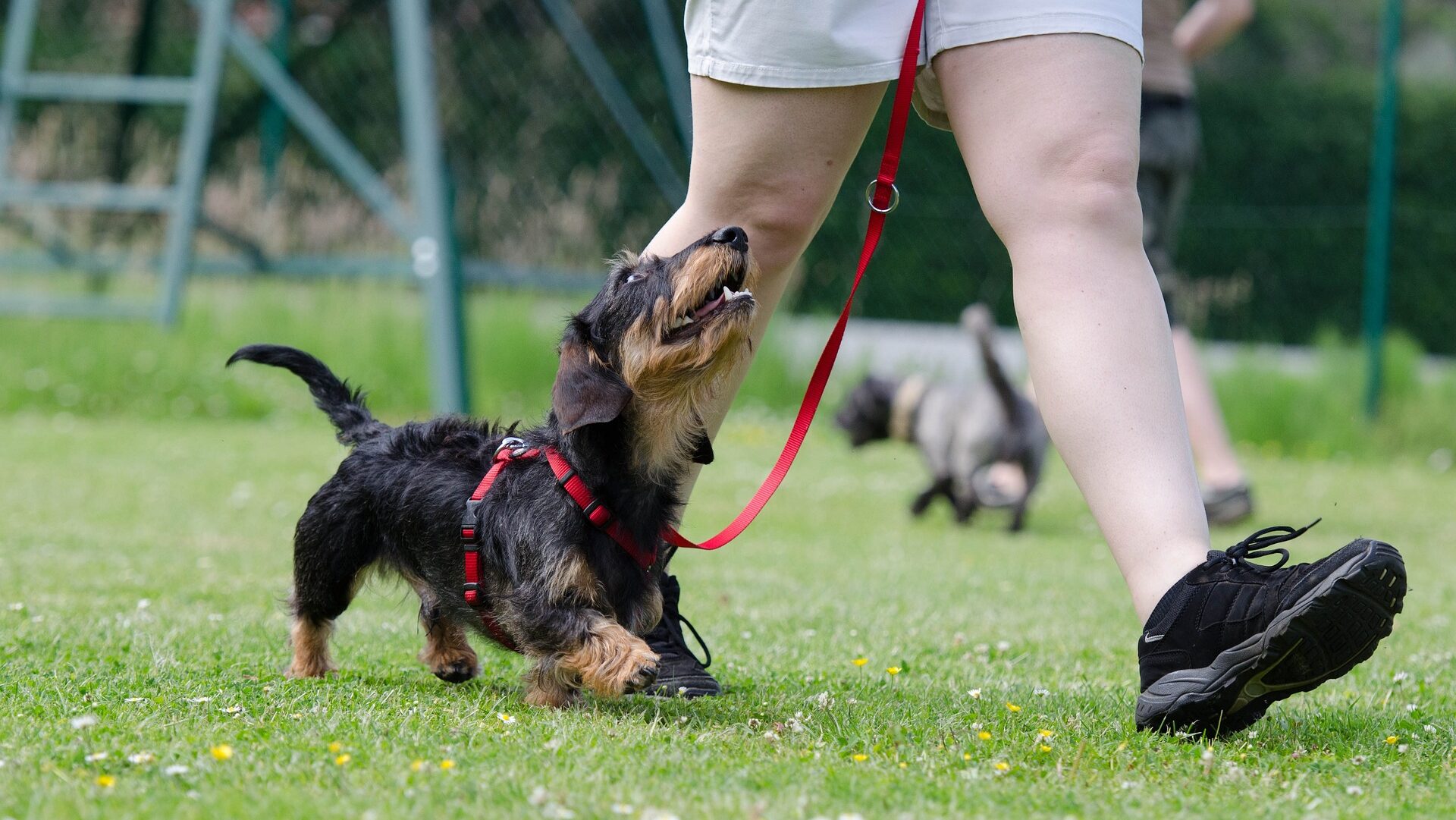
- Solution: Stop walking when your dog pulls and wait for them to come back to you. Reward them with treats and praise when they walk beside you.
- Tip: Consider a no-pull harness like the PetSafe Easy Walk Harness.
Using Training Aids and Tools
Training aids can be helpful in reinforcing good behavior and correcting unwanted actions. Here are some effective tools:
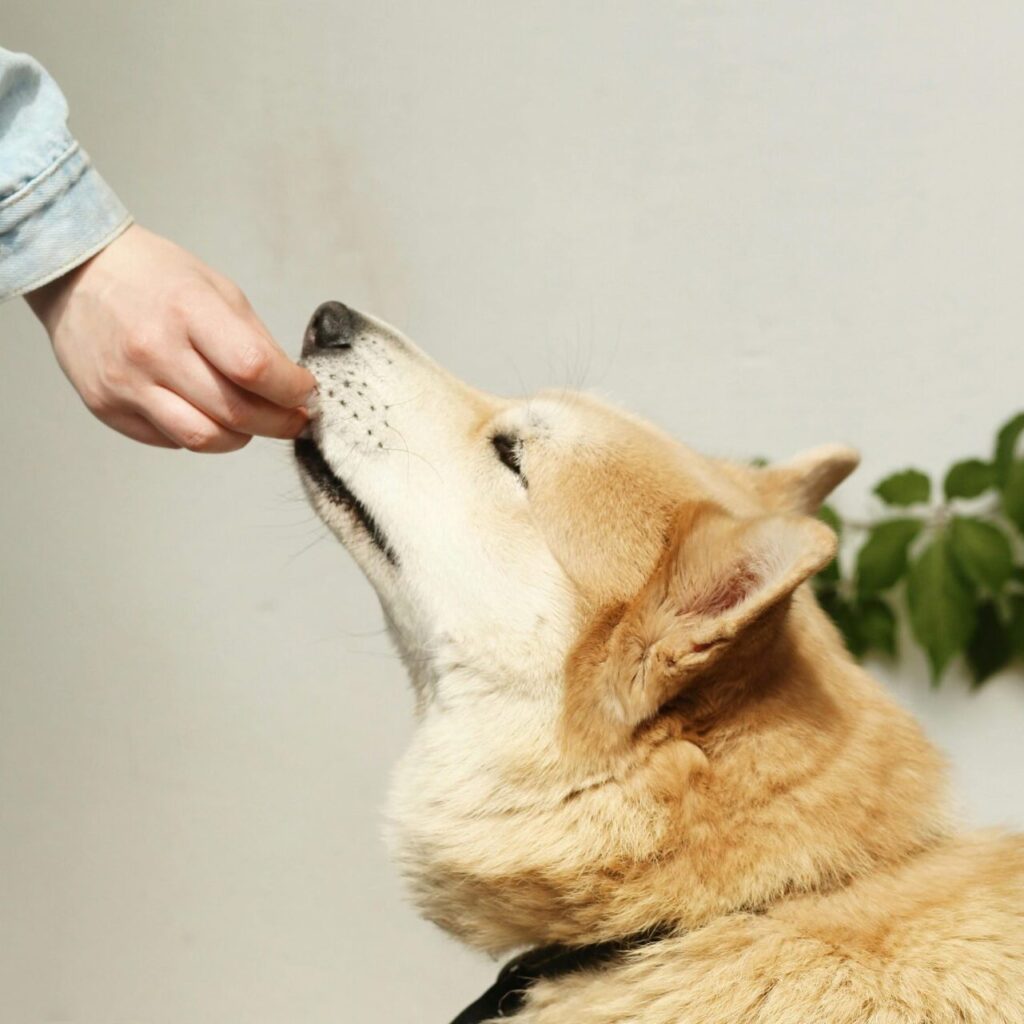
- Clickers: Clicker training is a positive reinforcement method that uses a distinct sound to mark good behavior, followed by a reward. PetSafe Clik-R is a great choice.
- Training Treats: Small, low-calorie treats keep your dog motivated without overfeeding. Wellness Soft Puppy Bites are ideal for training sessions.
- Interactive Toys: Toys that challenge your dog mentally can reduce boredom-related behaviors. Try the KONG Classic Dog Toy.
Creating a Training Schedule
Consistency is crucial, so creating a training schedule can help you and your dog stay on track. Here’s a sample daily schedule:
- Morning: 15-minute training session focusing on basic commands.
- Afternoon: Short play session with interactive toys.
- Evening: 10-minute training session, practicing commands and addressing any specific behavioral issues.
Conclusion
Training your dog is an ongoing process that requires time, patience, and dedication. By following these tips and using the right tools, you’ll build a strong bond with your dog and enjoy a well-behaved, happy companion.
For more detailed training guides and product recommendations, visit our Dog Training Resources page. Don’t forget to subscribe to our newsletter for exclusive tips and discounts on the best training tools and treats.
Disclaimer: Some links in this post are affiliate links, and at no additional cost to you, we earn a commission if you make a purchase through these links. Your support helps us continue to provide valuable content for our readers.